1. Introduction
The PDF version of the document is available |HERE|.
The examples in the document are available |HERE|.
1.1. Background
This document is not intended for beginners but for users with solid experience in Java. It uses the following sources:
Unlike other documents I have written, this document relies primarily on examples and delves only briefly into theory. However, each example is accompanied by an explanation, and there is a logical progression throughout the document.
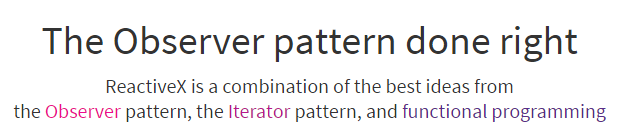
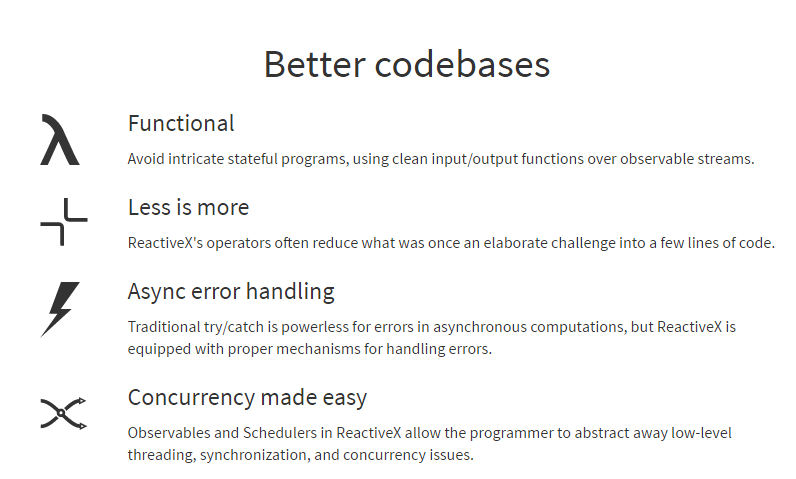
ReactiveX is a set of libraries that facilitate asynchronous programming and the processing of the resulting data:
 |
 |
 |
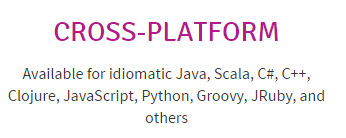
The Rx library has been implemented in many languages:
 |
Here, we are interested in the following libraries:
- RxJava for the Java world;
- RxAndroid, a specialization of RxJava for the Android environment;
- RxSwing, a specialization of RxJava for the Swing environment;
The concepts of reactive programming are complex at first glance. That is why this document is not primarily intended for beginners. Nevertheless, I have made a great effort to explain the code used, and a novice can familiarize themselves with reactive programming using this document.
1.2. Tools Used
The following examples have been tested with the following environment:
1.3. Example code
The code for the following examples can be found |HERE| in the [dvp/exemples] folder.
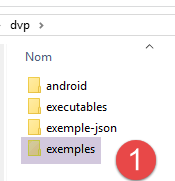 | 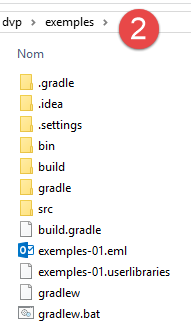 |
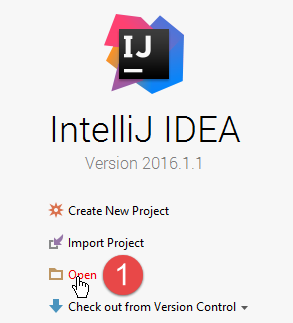
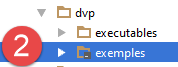
The [dvp/exemples] [2] folder is a Gradle project containing most of the examples in this document. It can be opened by any IDE that supports the Gradle project manager [http://gradle.org/]. Intellij and IDEA support it natively. For Eclipse or Netbeans, a plugin is required. With Intellij IDEA Community Edition, you can proceed as follows:
  | 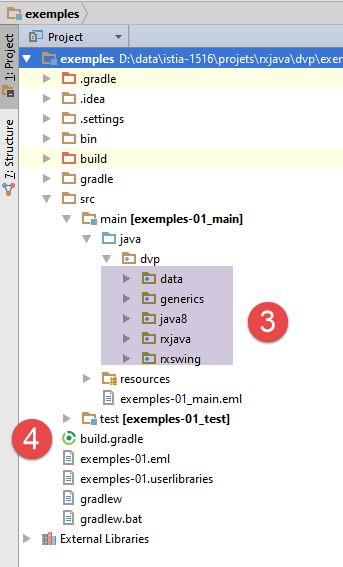 |
The [exemples] project is configured by the following [build.gradle] [4] file:
buildscript {
    repositories {
        mavenCentral()
    }
}

apply plugin: 'java'

jar {
    baseName = 'exemples-01'
    version = '0.0.1-SNAPSHOT'
}

repositories {
    mavenCentral()
}

dependencies {
    compile('io.reactivex:rxswing:0.25.0')
    compile('io.reactivex:rxjava:1.1.3')
    compile('com.fasterxml.jackson.core:jackson-databind:2.7.3')
}

task wrapper(type: Wrapper) {
    gradleVersion = '2.9'
}
- lines 18–22: the project’s Gradle dependencies (libraries to download);
- line 19: the library required for the Swing example discussed in section 2;
- line 20: the RxJava library;
- line 21: a jSON library;
- lines 9–12: the characteristics of the Jar archive produced by compiling the project;
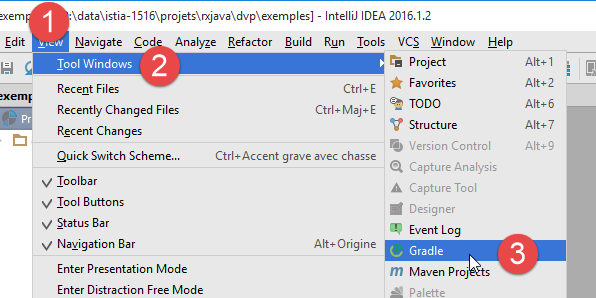
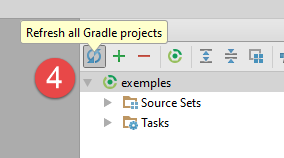
To download the dependencies required for the project, proceed as follows [1-4]:
 |  |